
Match the Symptom to a Safe Check
The appliance's symptom determines which visible checks are useful and when to stop. Call us now about the problem; tool-free checks can happen while you are on the phone with us. You can describe what you already see without running another cycle.
If you hope for an easy fix, appliance repair still starts with identifying the fault. A dark display, a stopped cycle, and a running appliance that produces no heat are different problems. Tell us which one you have and whether there is a smell, leak, or unusual sound.
Safe to Try
Settings, accessible plugs, door closure, and routine maintenance items are safe to check when there is no heat damage, gas odor, water near electricity, or sparking.
| Safe to try | Call us |
|---|---|
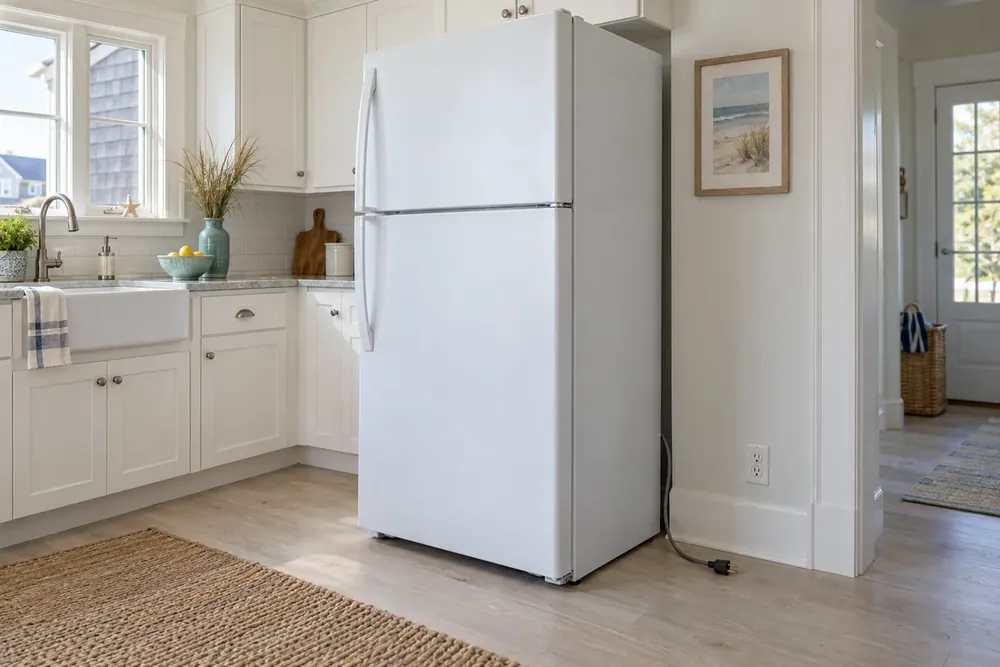
| Refrigerator running warm: read the temperature setting and check for packages preventing the door seal from closing. | Persistent poor cooling or suspected sealed-system trouble needs diagnosis; call us. |
| Freezer showing frost: look for a blocked door or a visibly damaged gasket without chipping ice. | Heavy recurring frost or a freezer that no longer freezes needs service; call us. |
| Washer not starting or filling: check the cycle, door closure, control lock, and readily accessible water valve position. | A leak inside the cabinet or a breaker trip means stop using the washer and call us. |
| Dryer taking longer: with the unit cool and unplugged, clear lint from the removable screen. | A burning smell or persistent failure to heat means stop using the dryer and call us. |
| Dishwasher washing poorly: with power disconnected, clear loose debris from the filter you can remove yourself according to the manual. | Water leaking beneath the appliance or repeated failure to drain needs diagnosis; call us. |
| Oven not heating: read the selected cooking mode and check for a delay or control lock. | Electrical sparks or damaged heating parts mean stop using the oven and call us. |
| Microwave running without heating: check that a cooking cycle, rather than only the timer, was selected. | A damaged door, sparking, or continued failure to heat means stop using the microwave and call us. |
| Ice maker not producing: check the ice-making setting and the position of the accessible water supply valve. | Water entering the cabinet or a mechanism needing disassembly means leave it alone and call us. |
Power Checks Stay Outside the Appliance
Power checks should involve only accessible controls and visible connections, with dry hands and dry surroundings. Look at whether an accessible plug is fully seated and whether the breaker handle shows a trip. Do not move a heavy appliance to reach a plug, probe an outlet, remove a cover, or inspect wiring.
If the breaker trips when the appliance operates, leave it off and call us. Repeatedly resetting it does not diagnose the problem. A circuit or wiring fault needs an electrician's attention.
With a simple fix, appliance repair advice still needs to match the model's instructions. Avoid reset sequences found for a different model, and never bypass a door switch or safety control.
Settings, Filters, and Water Explain Some Symptoms
An incorrect cycle, blocked filter you can access, or closed water valve can interrupt normal operation. Read the manual's owner checks while discussing the symptom on the phone. Leave screwed-in filters, internal screens, hoses, and pumps alone.
Fixing a fridge starts with separating a door or setting problem from a cooling fault. Keep the doors closed between observations. For fixing a dishwasher, an accessible filter check may help explain dirty dishes; standing water does not justify reaching into a pump or removing the base panel.
A search for fixing dishwasher near me can lead straight to a call about the stopped cycle or drainage problem. Describe whether water remains in the tub, appears on the floor, or leaks inside the cabinet. Stay out of wet areas around plugs and wiring.
Error Codes Help Your Technician
An error code helps narrow the diagnosis, but its meaning depends on the exact appliance model. Read the displayed letters or numbers aloud during your call, along with the appliance type and what happened. You do not need to move the unit or uncover a hidden label to start getting help.
One of our local appliance repair partners will outline the diagnosed work and explain the cost before the repair begins. Use the repair or replace guide when comparing that scope with a replacement.
Call Us
Gas odors, electrical warning signs, and internal faults mean homeowner checks should stop.
- Smell gas: leave the home, do not operate switches or use a phone inside, and call the gas utility or 911 from outside.
- Notice smoke or fire: leave the home and call 911 from outside.
- Notice sparks, a burning odor, water inside the cabinet, or a tripping breaker: stop using the appliance, avoid wet electrical areas, and call us.
- Need to open a cabinet or work on gas parts, internal electrical components, or a sealed refrigerant system: keep the appliance closed and call us.
A microwave can retain a dangerous electrical charge after unplugging, according to GE Appliances' safety guidance. Never remove its cover; call us about an internal fault.
If you are wondering who can fix my oven or who can fix my dishwasher near me, call and explain the symptom in your own words. If you have an appliance to fix today, appliance repair discussions can start with the details you already know. You can make the call without completing the checks.